
Agent Swarm Commander: Autonomous Multi-Agent Task Orchestrator
An enterprise-grade autonomous multi-agent task orchestration platform that coordinates specialized AI agent personas to solve complex workflows with dynamic Directed Acyclic Graphs, safe tool sandboxing, and automated reflection loops.
The Autonomous Multi-Agent Challenge: Beyond Linear Prompting
When delegating complex enterprise workflows such as comprehensive market intelligence synthesis or multi-file data auditing to Large Language Models, single-agent systems and linear prompt chains inevitably break down under real-world complexity.
The fundamental issue stems from compounding errors. If a solitary model hallucinates an intermediate figure or fails a tool invocation in an early stage, all subsequent reasoning inherits corrupted assumptions without any mechanism for verification. Furthermore, real-world workflows require non-linear dependency graphs where multiple parallel research tasks must converge into a single synthesis stage. Finally, executing arbitrary code or web lookups without sandboxed process boundaries introduces security vulnerabilities and resource leaks across enterprise servers.
Cognitive Architecture: Directed Acyclic Graphs and Persona Decoupling
To eliminate single-agent failure modes, I designed and built Agent Swarm Commander as an orchestration engine that structures complex goals across four distinct, specialized agent personas:
The workflow initiates with the Planner agent, which parses the high-level objective and compiles it into a dynamic Directed Acyclic Graph. The core graph engine applies cycle detection algorithms and topological sorting to resolve parent-child dependencies, guaranteeing that prerequisite tasks complete successfully before downstream tasks transition to ready status.
As tasks become unblocked, the Executor agent dispatches corresponding operations across isolated tool sandboxes in parallel. The orchestrator tracks runtime latency down to the millisecond, recording standard output, exit codes, and intermediate artifacts inside structured state objects.
Sandboxed Tool Execution and Empirical Reflection Loops
The system maintains strict operational isolation while providing automated self-healing mechanisms:
Operational Observability and Developer Ergonomics
The platform provides comprehensive visibility for system operators and software developers alike:
The web-based mission control studio features a high-tech glassmorphism interface with an interactive HTML5 Canvas that renders the evolving task graph in real time. Operators can monitor live cognitive thought streams as agents reason through steps and resolve errors over low-latency WebSocket connections.
For automation engineers, the platform provides a modular command line interface powered by Typer and Rich for running missions directly from terminal consoles, backed by a production-ready FastAPI REST service containerized with Docker for seamless enterprise infrastructure integration.
Click any screen below to inspect in high-resolution with zoom in, zoom out, pan, and full screen controls.
 01
Interactive Mission Control & Dynamic DAG Canvas
Real-time task graph visualization and live agent cognitive thought streaming via HTML5 Canvas and WebSockets.
 02
FastAPI REST Gateway & OpenAPI Documentation
High-throughput endpoints for launching swarm missions, managing sandboxed tools, and programmatic workflow control.
Interested in a similar project?
We can build a tailored solution customized to your business goals.
Explore Related Work
Production software, AI tools, and enterprise platforms.
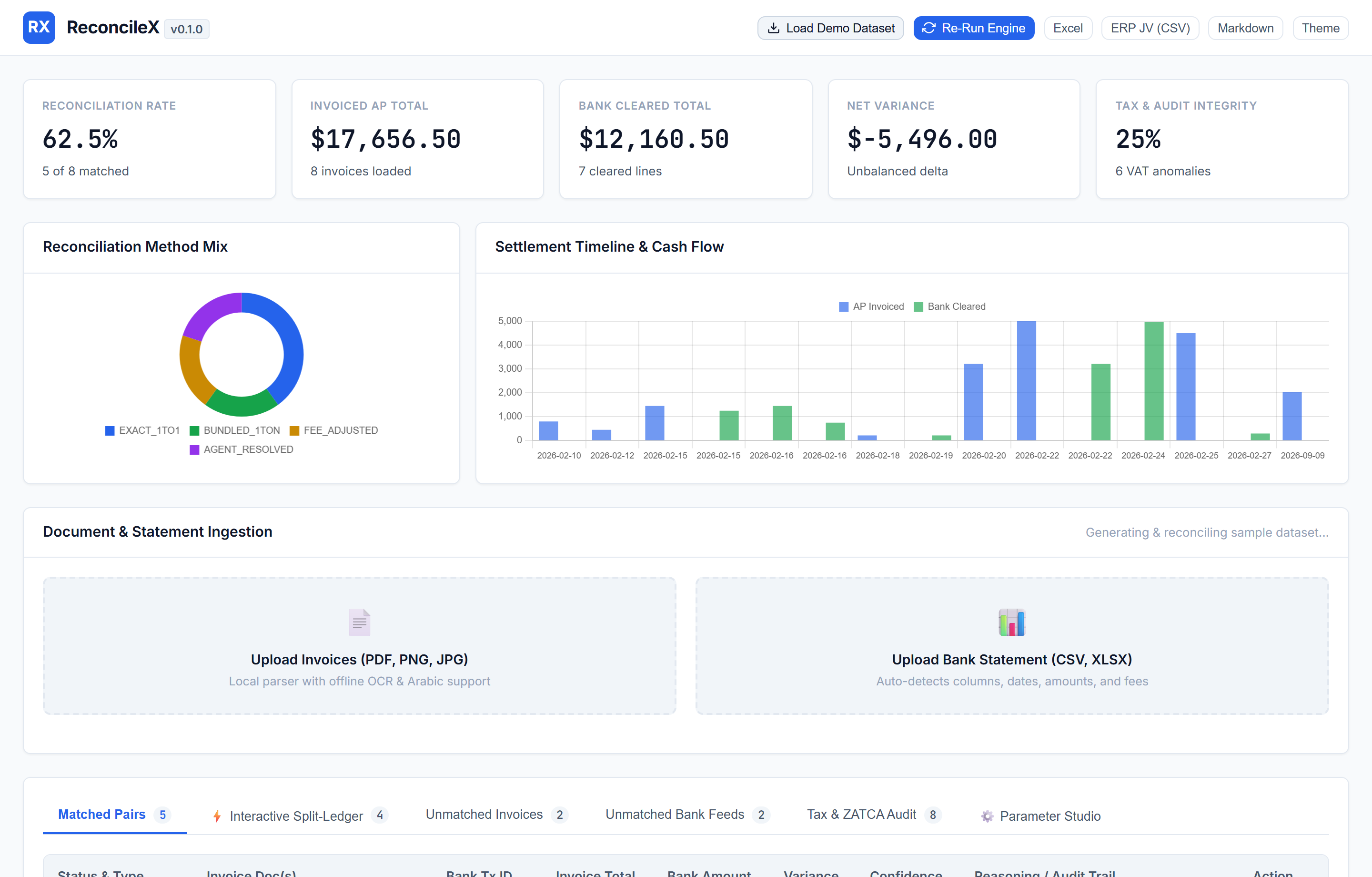 ERP & Enterprise Systems
ReconcileX: Enterprise Financial Reconciliation & ZATCA Tax Compliance Platform with Hybrid Deterministic Architecture
An enterprise-grade open-source financial reconciliation engine engineered to eliminate manual spreadsheet matching, combining deterministic zero-hallucination arithmetic with agentic reasoning to resolve bundled batch payouts, ZATCA VAT compliance audits, and balanced ERP journal vouchers.
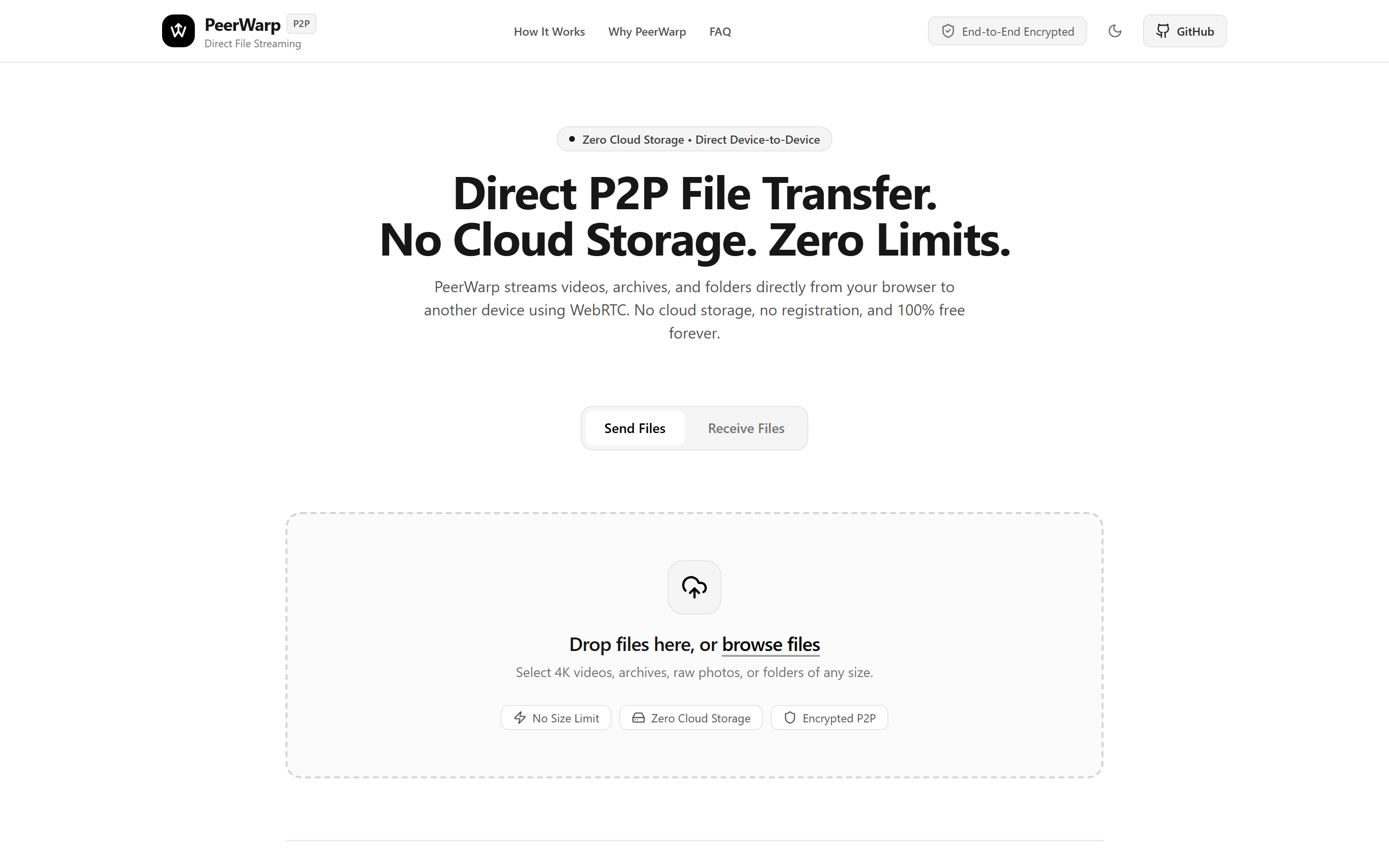 Cloud Engines & Infrastructure
PeerWarp: Zero-Cloud P2P Direct File Transfer Platform
An open-source, production-grade file transfer platform engineered to move unlimited files and folders directly between browsers via encrypted WebRTC DataChannels, eliminating cloud storage intermediaries with direct-to-disk writing, on-the-fly compression, and local Wi-Fi radar.
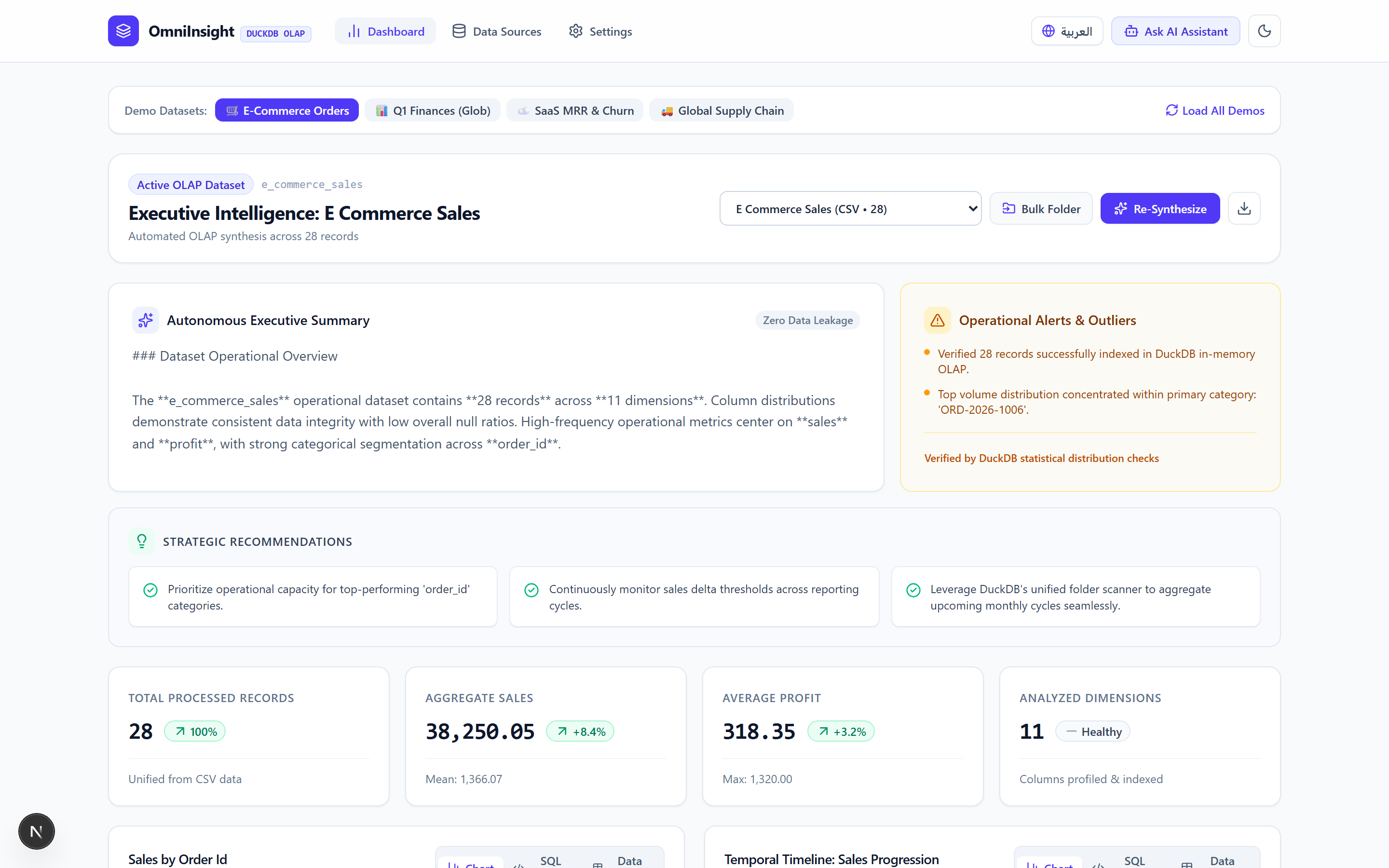 AI & Automation
OmniInsight: Privacy-Preserving Local BI & Automated Analytics Platform with In-Memory DuckDB and Multi-LLM Reasoning
An open-source, local-first Business Intelligence platform engineered to replace proprietary cloud BI tools, pairing DuckDB's vectorized in-memory OLAP engine with privacy-safe LiteLLM reasoning to autonomously synthesize executive dashboards and answer conversational NLQ queries with zero data leakage.