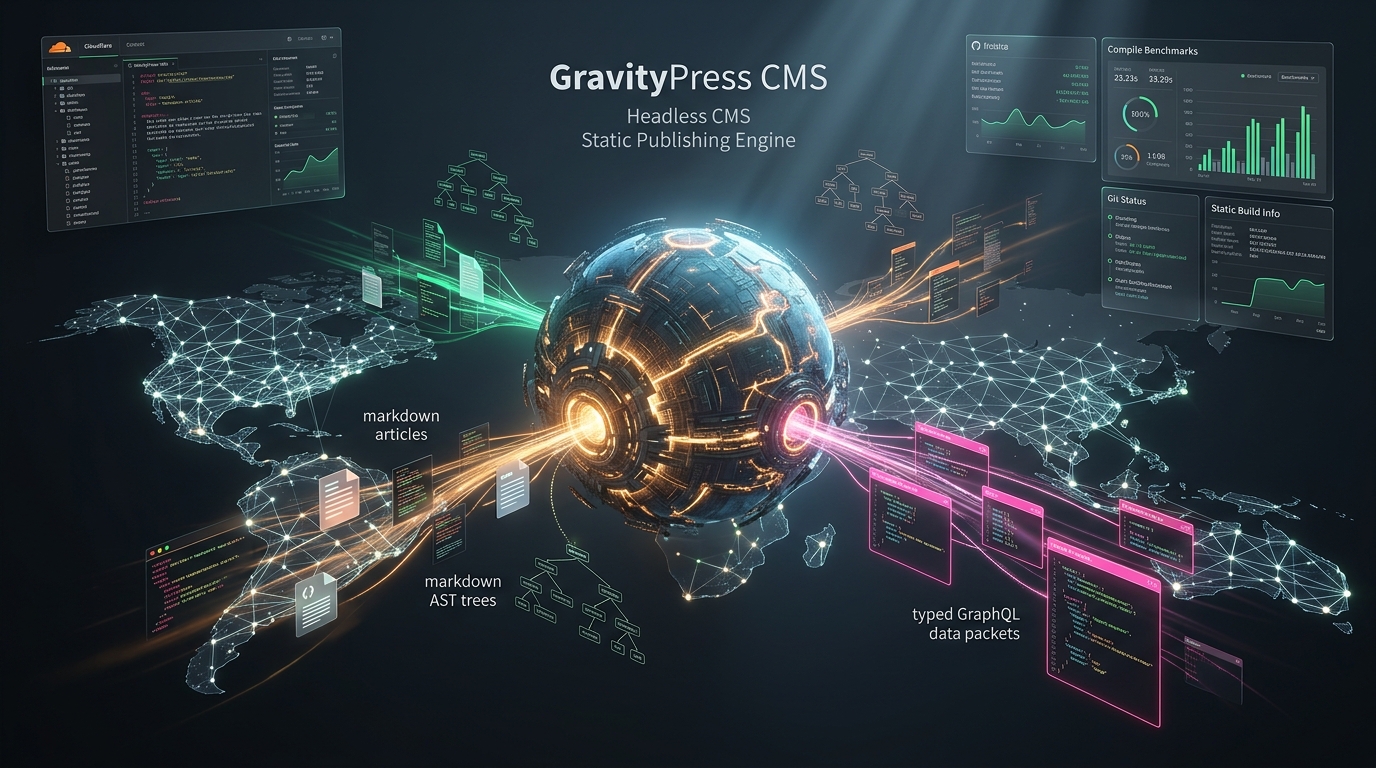
GravityPress CMS: High-Performance Headless Git-Based Content Engine & Static Site Generator
An ultra-fast, decoupled headless content management system and static publishing engine engineered with FastAPI, Strawberry GraphQL, in-memory BM25 search, automated Git version control, and native free Cloudflare Pages edge distribution.
Architectural Dilemma: Database Bottlenecks vs Static Simplicity
Traditional content management architectures remain encumbered by monolithic database dependencies, relentless maintenance overhead, and high recurring server hosting bills. Under surge traffic conditions, database connection pooling and relational table joins create severe latency bottlenecks, while complex plugin ecosystems open persistent security vulnerabilities. Conversely, primitive static site generators force content editors into tedious terminal workflows, manual Git pushes, and disjointed authoring setups devoid of visual feedback.
GravityPress CMS resolves this trade-off through an architectural model that treats structured Markdown and YAML frontmatter files as the immutable source of truth within Git, while delivering a modern split-screen editing studio, dual GraphQL and REST API gateways, and an ahead-of-time compiler targeting serverless edge networks.
Decoupled Engine Architecture & Versioned Git Pipeline
The system establishes a clean separation between content persistence, programmatic data delivery, and global edge presentation:
```mermaid
flowchart TD
subgraph Content_Storage [Git-Versioned Markdown Repository]
Articles[Markdown Articles with YAML Frontmatter]
MediaAssets[Optimized Media Assets]
GitEngine[Git Automation & Atomic Commit Pipeline]
end
subgraph Core_Engine [FastAPI Core Processing Layer]
ASTParser[Python-Markdown Abstract Syntax Tree Parser]
BM25Search[In-Memory BM25 Search Index]
SEOEngine[SEO & OpenGraph Verification Engine]
end
subgraph API_Gateways [Dual Delivery Gateways]
RestAPI[High-Throughput REST Endpoints]
GraphQLAPI[Strawberry GraphQL Schema & GraphiQL IDE]
end
subgraph Edge_Deployment [Serverless Cloudflare Pages CDN]
SSGCompiler[Ahead-Of-Time Jinja2 Static Compiler]
CloudflarePages[Global Edge Distribution Network]
CachePurge[Automated Zone Cache Purge API]
end
Content_Storage --> Core_Engine
Core_Engine --> API_Gateways
Core_Engine --> SSGCompiler
SSGCompiler --> CloudflarePages
CloudflarePages --> CachePurge
```
Every document modification saved through the web studio automatically triggers an atomic Git commit attributed to the authenticated author with exact timestamps. Editorial teams maintain a verifiable, non-repudiable history of every revision, allowing rollbacks and branch merges without risking relational database corruption.
In-Memory BM25 Lexical Indexing & AST Processing
Eliminating external search clusters such as Elasticsearch or Solr reduces operating complexity and memory consumption. GravityPress CMS incorporates an in-memory lexical retrieval engine based on the mathematical BM25 ranking model:
The search algorithm applies differential field weights, multiplying title matches threefold and weighting categories and tags twice as heavily as raw article body paragraphs. Queries across thousands of articles execute in under 2 milliseconds without spawning background worker daemons.
The Abstract Syntax Tree parser processes Markdown tokens, applies Pygments syntax highlighting across code blocks, builds a hierarchical table of contents, and computes reading velocity at standard human consumption rates.
Split-Screen Visual Studio & Live SEO Auditing
Editorial velocity relies on immediate visual validation. The administrative interface provides a synchronized dual-pane workspace where authors compose raw Markdown on the left while observing rendered HTML on the right:
Immediate validation checks title lengths and URL slugs against search engine indexing standards to prevent metadata truncation.
Social card previews confirm that OpenGraph and Twitter card parameters meet image dimension and description criteria before publication.
Automated generation builds valid XML sitemaps and RSS 2.0 feeds alongside static HTML artifacts, ensuring search engine spiders discover new articles immediately.
Zero-Cost Edge Distribution via Cloudflare Pages
By compiling content ahead of time, the system removes runtime server execution entirely. Jinja2 templates compile hundreds of static HTML pages in approximately 25 milliseconds, which are pushed to the Cloudflare Pages global edge network:
Edge deployment serves cached assets across more than 300 points of presence with global time-to-first-byte latencies below 15 milliseconds.
Automated security rules inject HTTP response headers establishing immutable one-year browser cache lifetimes for media assets alongside frame-ancestors directives to protect against clickjacking.
Zone cache purging hooks trigger upon document publication, refreshing cached edge instances globally within seconds without requiring manual administrative intervention.
Click any screen below to inspect in high-resolution with zoom in, zoom out, pan, and full screen controls.
 01
Editorial Command Center & Inventory Dashboard
Unified inventory of markdown content, publishing statuses, and one-click cloud edge cache invalidation controls.
 02
Split-Screen Markdown Studio & Live SEO Audit
Dual-pane editing workspace featuring synchronized preview scrolling, hierarchical outline tree, and real-time social metadata verification.
 03
Interactive Strawberry GraphQL Explorer
Typed schema environment enabling client applications to query exact data fields without network payload over-fetching.
 04
High-Throughput FastAPI REST Gateway
Structured RESTful endpoints delivering structured article entities, taxonomies, and tag relationships at microsecond latencies.
Interested in a similar project?
We can build a tailored solution customized to your business goals.
Explore Related Work
Production software, AI tools, and enterprise platforms.
 Cloud Engines & Infrastructure
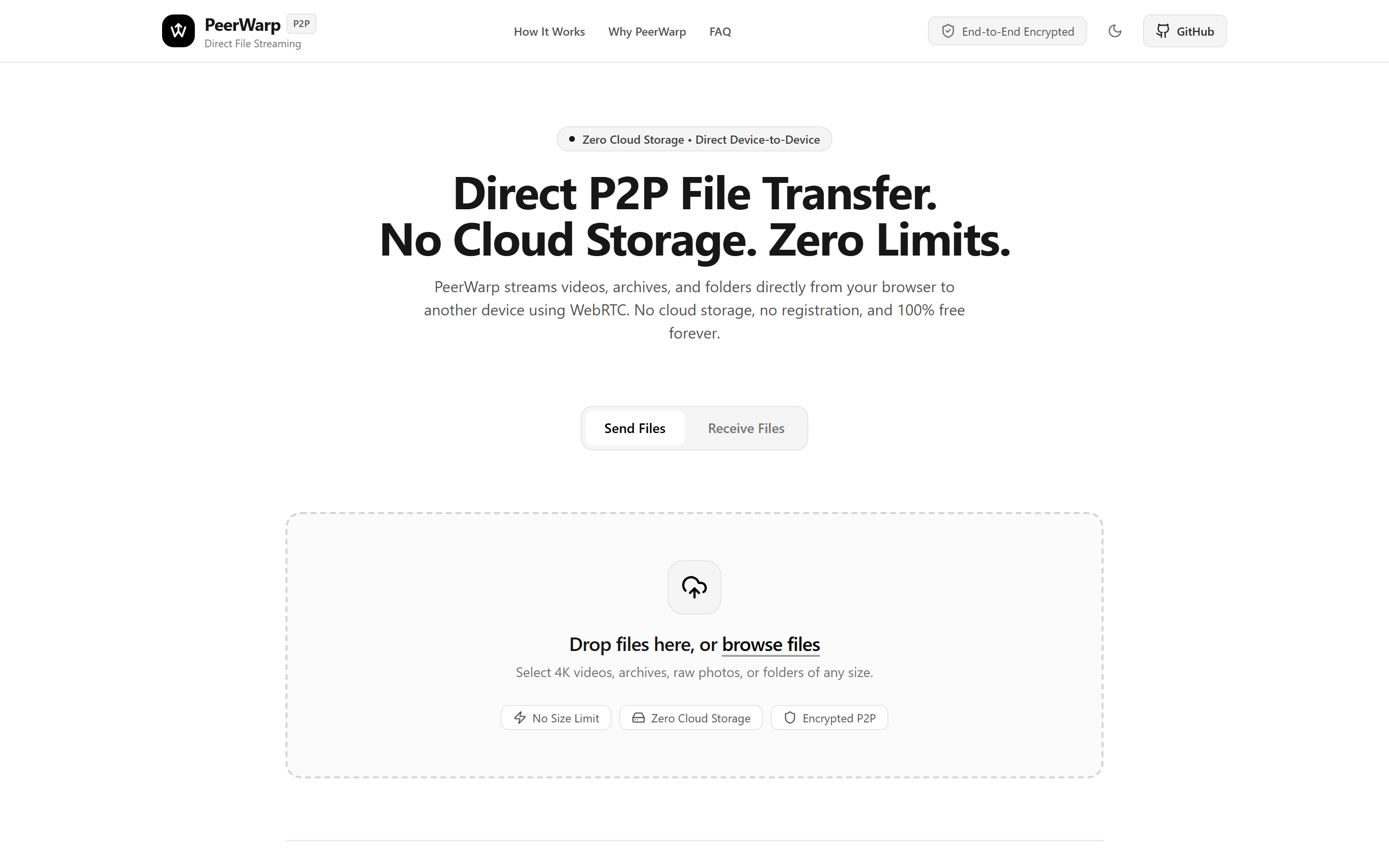
PeerWarp: Zero-Cloud P2P Direct File Transfer Platform
An open-source, production-grade file transfer platform engineered to move unlimited files and folders directly between browsers via encrypted WebRTC DataChannels, eliminating cloud storage intermediaries with direct-to-disk writing, on-the-fly compression, and local Wi-Fi radar.
 Cloud Engines & Infrastructure
Omni-Scraper: Enterprise Web Automation & Resilient ETL Data Extraction Pipeline
A high-performance, fault-tolerant web automation and ETL data extraction engine engineered for dynamic websites, featuring anti-bot resilience, User-Agent rotation, declarative schema parsing, and SHA-256 deduplication.
 ERP & Enterprise Systems
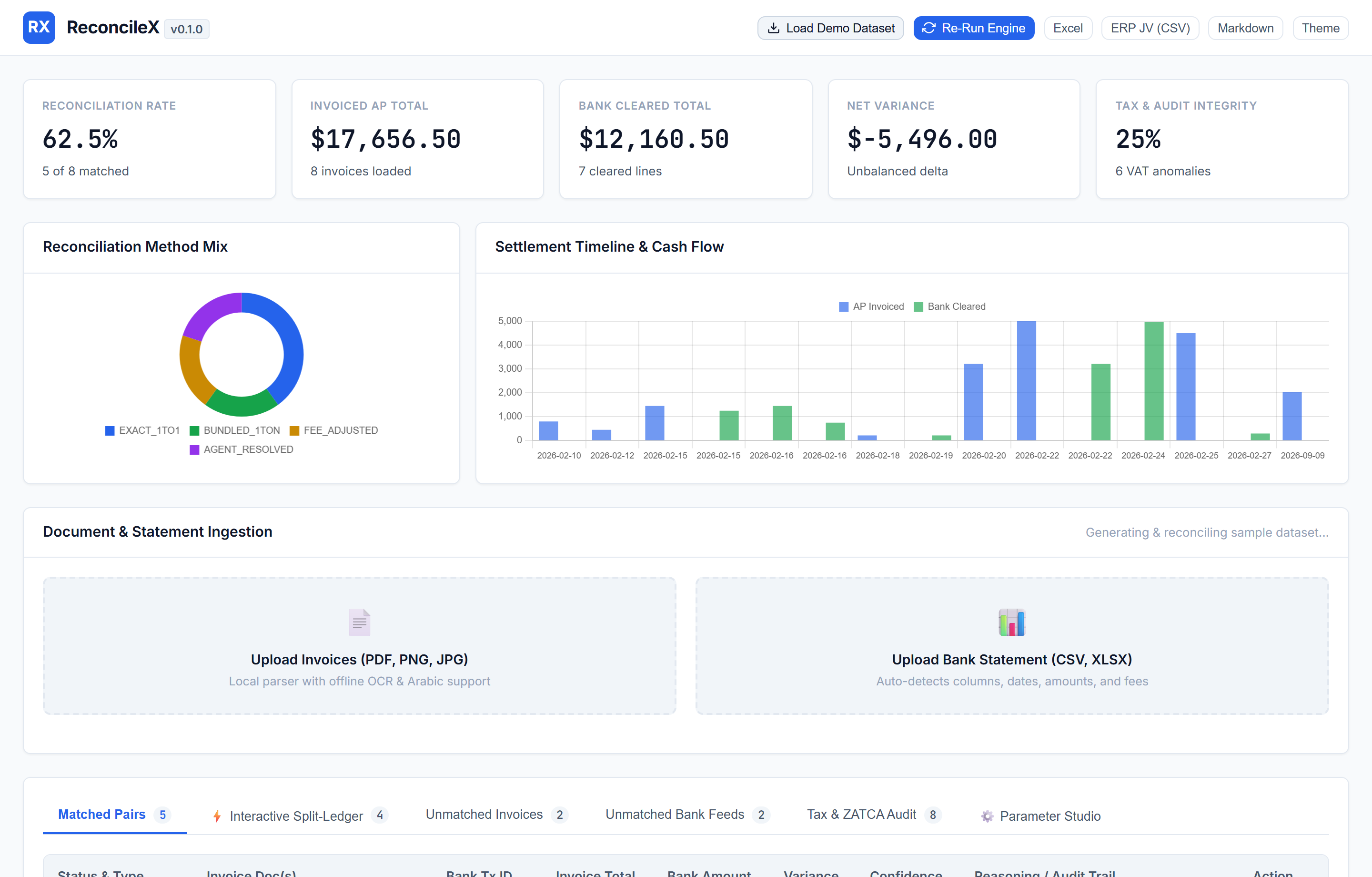
ReconcileX: Enterprise Financial Reconciliation & ZATCA Tax Compliance Platform with Hybrid Deterministic Architecture
An enterprise-grade open-source financial reconciliation engine engineered to eliminate manual spreadsheet matching, combining deterministic zero-hallucination arithmetic with agentic reasoning to resolve bundled batch payouts, ZATCA VAT compliance audits, and balanced ERP journal vouchers.